ENESST
HomeCourses

TAX AUDIT

Browse ENESST courses in one catalogue and use the filters to find the learning option that best fits your goals.

8courses found · Showing 1–3
TAX AUDIT Advanced
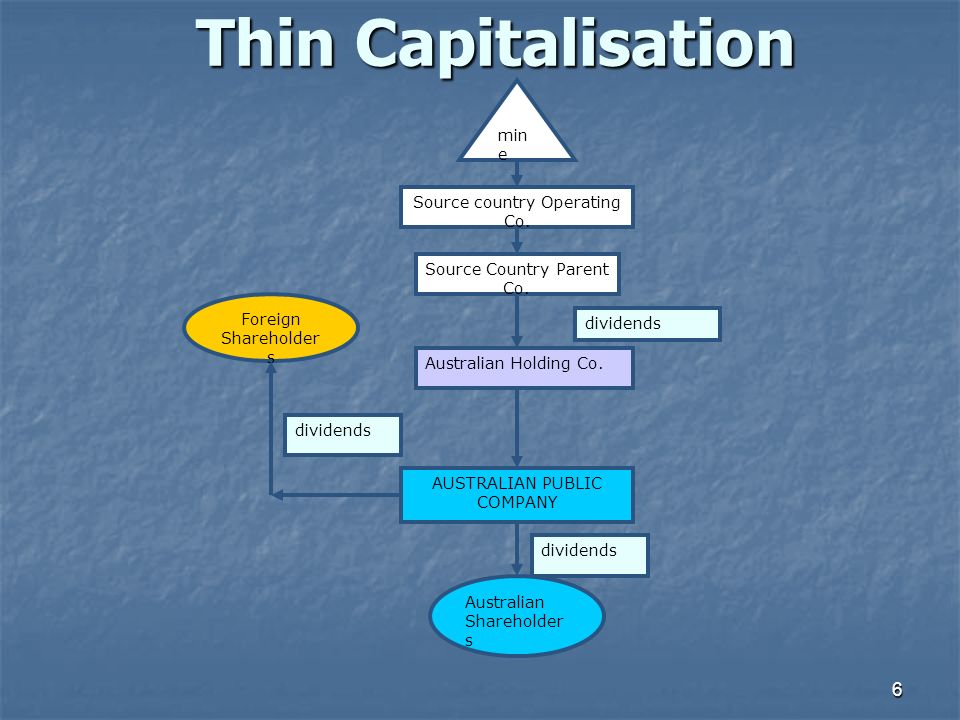
INTERNATIONAL TAXATION -THIN CAPITALISATION AS A TOOL FOR TAX PLANNING

What is Thin CapitalizationThin Capitalization As a Tool of Tax PlanningWhy debt rather than equityTax Treatment of Debt Vs Equity An Illustrative ExampleMeasures Against Thin CapitalizationCommon Application ProblemsAdvances by Parent Companies is It Debt or EquityExisting Approaches to Limiting Interest DeductionsWhat the Income Tax Act providesComparative Analysis for Selected CountriesAnti Avoidance Rules

Expert Instructor By Expert Instructor
0.0 (0) 0 Lessons
TAX AUDIT Advanced
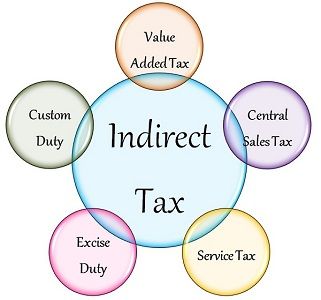
TRAINING ON INCOME TAX, VALUE ADDED TAX (VAT) AND EXCISE DUTY

i)                    To impart tax and duty laws, policies and practice competence in both direct and indirect taxes in respect of: a)      Income Tax b)      VAT and c)       Excise Duty ii)                  To provide knowledge on legal principles of Income Tax, VAT and Excise Duty that are applied in administration of these taxes and duties; and in advising taxpayers and duty payers; as well as tax consultants and tax/duty collectors iii)                 To bring an understanding on the difference between income and taxable income on one hand and capital gains and taxable capital gains on the other hand iv)                 To provide insight on emerging tax issues and on tax cases ruled by the courts so as to facilitate in the administration of the taxation

Expert Instructor By Expert Instructor
0.0 (0) 0 Lessons
TAX AUDIT Advanced
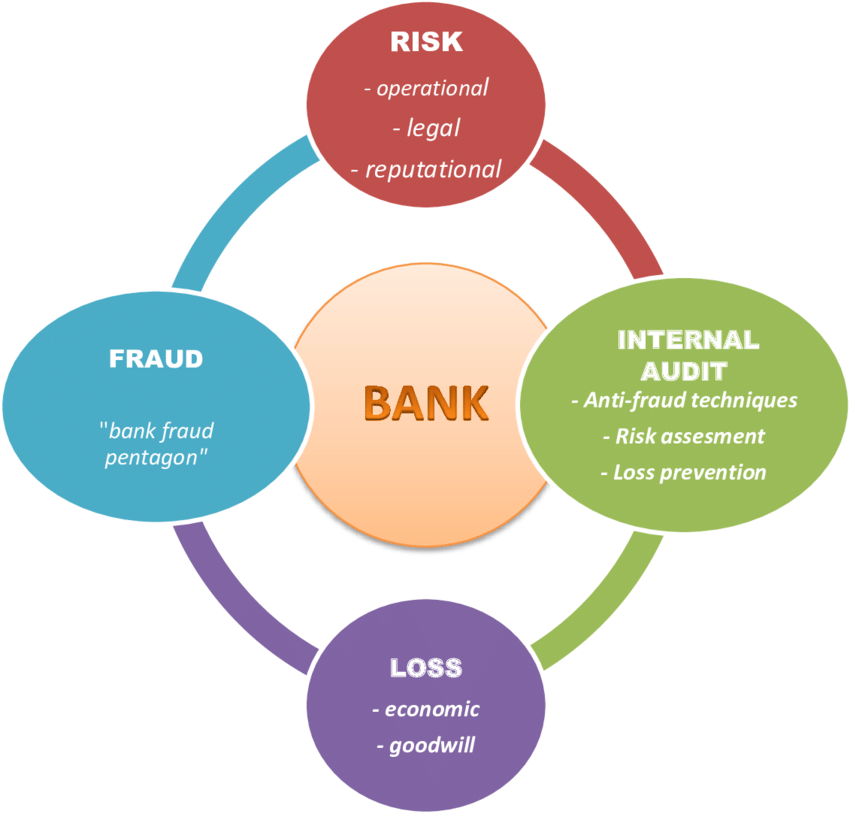
TRAINING ON AUDIT OF BANKING AND FINANCIAL INSTITUTIONS

<!--[if gte mso 9]><xml> </xml><![endif]--><!--[if gte mso 9]><xml> Normal 0 false false false EN-GB X-NONE X-NONE </xml><![endif]--><!--[if gte mso 9]><xml> </xml><![endif]--><!--[if gte mso 10]> <style> /* Style Definitions */ table.MsoNormalTable {mso-style-name:"Table Normal"; mso-tstyle-rowband-size:0; mso-tstyle-colband-size:0; mso-style-noshow:yes; mso-style-priority:99; mso-style-parent:""; mso-padding-alt:0in 5.4pt 0in 5.4pt; mso-para-margin-top:0in; mso-para-margin-right:0in; mso-para-margin-bottom:10.0pt; mso-para-margin-left:0in; line-height:115%; mso-pagination:widow-orphan; font-size:11.0pt; font-family:"Calibri",sans-serif; mso-ascii-font-family:Calibri; mso-ascii-theme-font:minor-latin; mso-hansi-font-family:Calibri; mso-hansi-theme-font:minor-latin; mso-bidi-font-family:"Times New Roman"; mso-bidi-theme-font:minor-bidi; mso-ansi-language:EN-GB;} </style> <![endif]-->          I.            Increased financial inclusivity and innovation        II.            Banking streams of revenue (a)    Interest income (b)    Fees and commission (c)     Foreign exchange trading income (d)    Income from investment- dividends, rent (e)    Income from custodial services      III.            Banking expenditure (a)    Interest paid (b)    Provision for loan loss (c)     Staff costs (d)    Other emoluments (e)    Rent (f)     Dividends     IV.            Payments and Expenditure attracting Withholding Taxes       V.            Directors and related party transactions     VI.            Tax Audit and Documentation to be Reviewed        

Expert Instructor By Expert Instructor
0.0 (0) 0 Lessons